
Executive Summary: Minimum Wage Regulations in Pakistan
What the Service Is
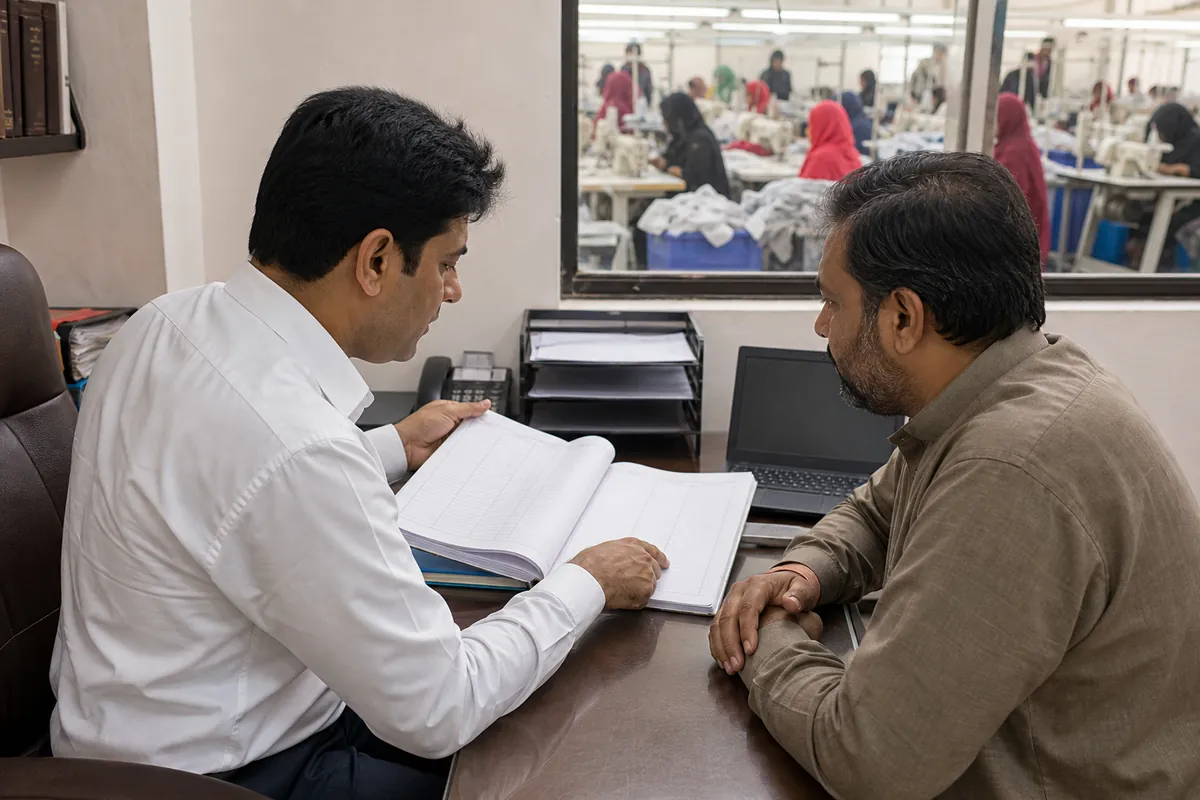
We advise employers on complying with Minimum Wage Regulations in Pakistan and represent workers who have been underpaid. The work includes payroll and record reviews, replies to labour inspection notices, deduction and overtime audits, and claims for unpaid wages before the competent authority.
Who Needs Advice on Minimum Wage Regulations in Pakistan
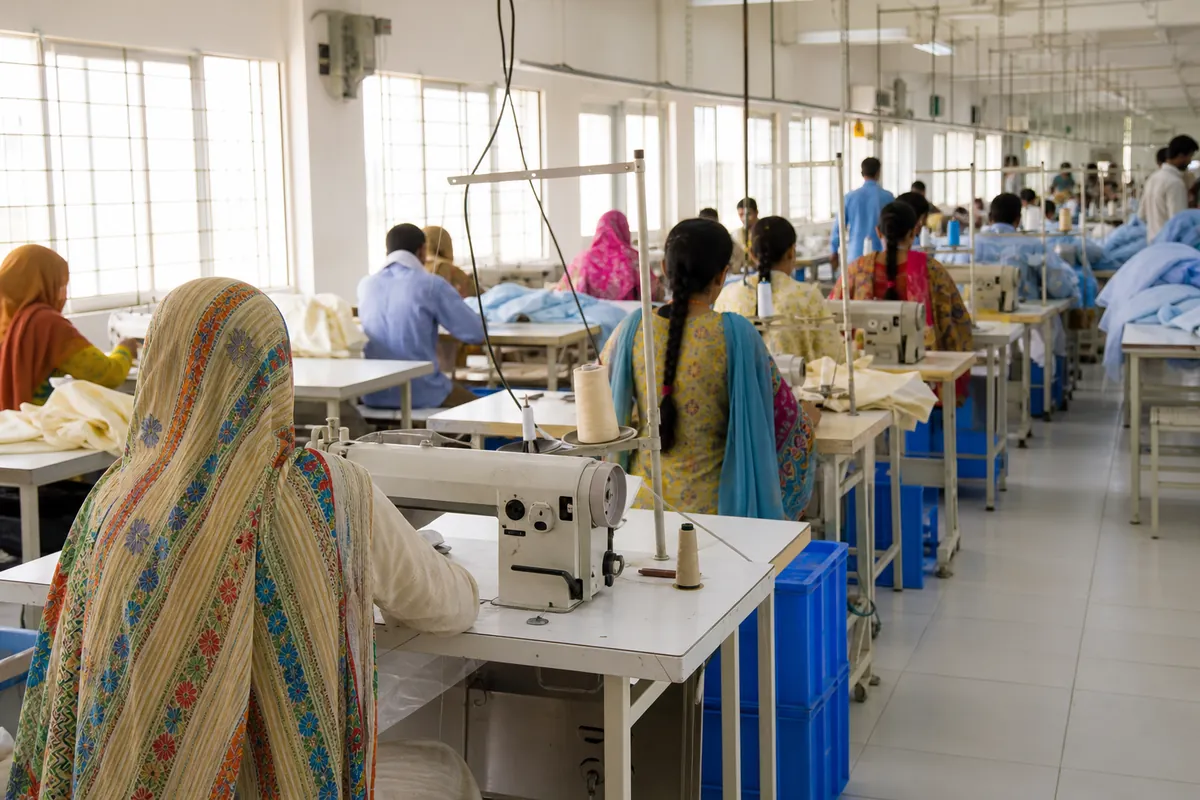
Factories, shops, security companies, restaurants and other employers paying at or near the minimum need a compliance check. Workers paid below the rate notified under Minimum Wage Regulations in Pakistan, or facing unlawful deductions or late wages, need advice on recovery.
Fee Basis
The fee is quoted after the documents are reviewed, since a payroll audit under Minimum Wage Regulations in Pakistan differs from a contested wage claim. See our consultation fees page for how a first consultation is arranged.
Usual Time
A compliance review usually takes days once payroll and attendance records are provided. A wage claim can take weeks or months depending on the authority's list. No result or timeline under Minimum Wage Regulations in Pakistan can be guaranteed.
How to Start
Send salary slips, the appointment letter, attendance records and any notice on WhatsApp at +92 333 1127834. We identify the province, the notification applicable under Minimum Wage Regulations in Pakistan and the gaps to address first.
Advocate-Led Since 1985
Qanoon Group has been advocate-led since 1985. Mohsin Ali Shah, Consulting Lawyer and Chairman, oversees advice on Minimum Wage Regulations in Pakistan, and Syed Akhtar Rizvi, Advocate Supreme Court, leads contested matters that proceed to litigation.
How Provincial Minimum Wages Boards Work
After the Eighteenth Amendment, labour became largely a provincial subject. Minimum Wage Regulations in Pakistan therefore come from provincial laws, for example the Sindh Minimum Wages Act 2015, each with a board that recommends rates for unskilled workers and for skilled categories in particular industries.
A board's recommendation becomes binding only when the provincial government notifies it. The federal budget often announces a figure, but Minimum Wage Regulations in Pakistan require employers to follow the provincial notification for the place of work, as notified for the current year.
Who Is Covered by Minimum Wage Regulations in Pakistan
The provincial laws generally cover workers in industrial and commercial establishments, with categories and exemptions defined in each statute and notification. Coverage under Minimum Wage Regulations in Pakistan depends on the legal definitions of worker and establishment, not on the job title the employer uses.
Contract and agency workers are frequently underpaid. Where a contractor supplies labour, the principal employer may share responsibility for payment, depending on the provincial law. Apprentices may be treated differently under Minimum Wage Regulations in Pakistan, so the notification must be read in full.
Notifications and Annual Revisions
Rates are revised periodically by notification, and the effective date matters. Under Minimum Wage Regulations in Pakistan, wages earned after that date must be paid at the revised rate even if payroll was not updated, and arrears accumulate from the effective date.
This page deliberately states no amounts, because Minimum Wage Regulations in Pakistan change by notification and figures copied from old websites mislead both sides. Our separate page on minimum wage law in Pakistan explains the statutory background; here we focus on enforcement.
Record-Keeping Duties under Minimum Wage Regulations in Pakistan
Compliance with Minimum Wage Regulations in Pakistan is proved by records. Employers are expected to maintain registers of workers, attendance, hours, wages paid, deductions and overtime, and to issue wage slips. These records are the first thing an inspector asks for.
Missing records usually count against the employer. Where hours and payments are not documented, an authority enforcing Minimum Wage Regulations in Pakistan may accept the worker's evidence instead. Accurate registers are both a legal duty and the employer's best defence.
| Record | Purpose | Risk if missing |
|---|---|---|
| Register of workers | Shows who is employed and their category | Disputes about coverage and status |
| Attendance and hours | Proves working time and overtime | Worker’s account may be accepted |
| Wage register and slips | Shows the rate paid and date of payment | Shortfall and delay claims succeed |
| Deductions record | Shows each deduction and its legal basis | Deductions treated as unauthorised |
Deductions from Wages: What the Law Allows
The payment of wages laws, including the Payment of Wages Act 1936 and the Sindh Payment of Wages Act 2015, permit only the deductions they authorise, such as for absence, lawful fines, recovery of advances and income tax. Read with Minimum Wage Regulations in Pakistan, any other deduction is unlawful.
Under Minimum Wage Regulations in Pakistan an employer cannot reduce pay below the notified minimum through unauthorised deductions for uniforms, breakages or "security". Such deductions are a common source of claims and are recoverable by the worker.
- Absence from duty, in proportion to the period absent
- Fines imposed in accordance with the law
- Recovery of advances and loans as permitted
- Income tax and other deductions required by law
Working Hours, Overtime and Timely Payment
The minimum wage is a floor for normal hours. Work beyond normal hours must be paid as overtime, which the factories and shops laws generally fix at twice the ordinary rate. A flat salary that ignores overtime can breach Minimum Wage Regulations in Pakistan even if it exceeds the minimum.
Wages must also be paid on time, within the periods fixed by the payment of wages laws after each wage period ends. Persistent delay, like underpayment, can be recovered through the authority that enforces Minimum Wage Regulations in Pakistan and the payment of wages laws.
Recovering an Unpaid Shortfall
A worker paid below the notified rate, or subjected to unlawful deductions or delay, may claim before the authority designated under the payment of wages law. Claims under Minimum Wage Regulations in Pakistan must be made within a short limitation period, so delay can defeat them.
The authority may direct payment of the shortfall and, in some cases, compensation. Where Minimum Wage Regulations in Pakistan are breached together with a termination, a grievance and Labour Court proceedings may also be needed, and end-of-service dues should be claimed at the same time.
Evidence That Supports a Claim
Useful evidence includes the appointment letter, salary slips, bank transfers, attendance cards, messages about hours and co-workers' statements. Where the employer kept no records, the worker's consistent account may carry weight under Minimum Wage Regulations in Pakistan.
Inspections and Penalties under Minimum Wage Regulations in Pakistan
Provincial labour departments appoint inspectors who may visit establishments, examine registers and question workers. An inspection notice under Minimum Wage Regulations in Pakistan should be answered promptly with complete records; obstructing an inspector is itself an offence under the labour laws.
Penalties are stated in each provincial statute and generally include fines, with higher penalties for repeated offences, besides an order to pay arrears. Because penalties under Minimum Wage Regulations in Pakistan vary by province, we advise on the statute that applies to your establishment.
Practical Steps for a Worker Who Is Underpaid
Keep copies of salary slips, bank credits and attendance records, and note your actual hours. A written request to the employer citing Minimum Wage Regulations in Pakistan often resolves the matter, and it also creates evidence if a formal claim becomes necessary.
If the employer refuses, take advice before resigning, because the timing of a claim matters. Our team prepares the claim, calculates arrears under Minimum Wage Regulations in Pakistan from the effective date of each notification, and represents you before the authority.
- Collect salary slips, bank statements and attendance proof
- Send a written request to the employer and keep a copy
- Seek advice before the limitation period runs out
- File the claim before the competent authority
Compliance Advice for Employers
A short audit of payroll, attendance and deductions usually reveals any exposure. We check each category of worker against the notification in force under Minimum Wage Regulations in Pakistan and correct records before an inspection or claim arises. Ending a dispute early is cheaper than defending it.
End-of-service liabilities are linked: see our guide to gratuity in Pakistan and our page on EOBI old-age benefits. Our business law team drafts appointment letters that reflect Minimum Wage Regulations in Pakistan accurately.

Minimum Wage Regulations in Pakistan: Frequently Asked Questions
Who fixes the minimum wage in Pakistan?
Each province fixes its own rates: a minimum wages board recommends them and the provincial government notifies them. Under Minimum Wage Regulations in Pakistan, the binding rate is the one notified for the province where the work is done.
Why does this page not state the current amount?
Rates change by notification, usually each year, and a stated figure soon misleads. Minimum Wage Regulations in Pakistan should be checked against the current notification for your province, or ask us to confirm the rate for your category.
Does the minimum wage apply to contract workers?
Generally yes, if they fall within the definition of worker in the provincial law, and the principal employer may share responsibility. Minimum Wage Regulations in Pakistan look at the substance of the work relationship, not its label.
Can an employer deduct uniform or breakage costs?
Only deductions authorised by the payment of wages laws are lawful. Deductions that reduce pay below the rate under Minimum Wage Regulations in Pakistan, or that the law does not permit, can be recovered by the worker.
Is overtime included in the minimum wage?
No. The minimum wage covers normal working hours, and overtime is paid separately, generally at twice the ordinary rate under the factories and shops laws. Under Minimum Wage Regulations in Pakistan a flat salary does not excuse unpaid overtime.
What records must an employer keep?
Registers of workers, attendance and hours, wages, deductions and overtime, together with wage slips. When an inspector checks compliance with Minimum Wage Regulations in Pakistan, missing records often count against the employer.
How does a worker recover unpaid wages?
A worker may claim before the authority designated under the payment of wages law. Under Minimum Wage Regulations in Pakistan, claims must be filed within a short limitation period, supported by salary slips and attendance evidence.
What happens during a labour inspection?
An inspector may examine registers, wage slips and attendance records and speak to workers. Employers should cooperate and produce complete records showing compliance with Minimum Wage Regulations in Pakistan; obstruction is an offence.
What penalties apply for paying below the minimum?
Each provincial statute sets penalties, generally fines, with higher penalties for repeated breaches, besides an order to pay arrears. Breaches of Minimum Wage Regulations in Pakistan may also prompt claims by several workers at once.
How is the fee for a compliance review decided?
The fee is quoted after the documents are reviewed. Send payroll, attendance and any notice on WhatsApp at +92 333 1127834, and we will explain the scope of work on Minimum Wage Regulations in Pakistan before any engagement.
Related Legal Services
These pages cover connected questions that often arise alongside minimum wage regulations in pakistan.
Legal Framework Behind Minimum Wage Regulations in Pakistan
The explanation above draws on the official framework listed here. Provincial amendments and the facts of each matter must still be checked before acting.
Publication and Legal Review
Reviewed by: Mohsin Ali Shah, Consulting Lawyer and Chairman, Qanoon Group.
Published by: Family Lawyers Pakistan, Qanoon Group.
Last updated: .
General guidance. The applicable law, local amendments and case record must be checked for your matter.